
What is an Otolaryngologist and How Can They Help You?
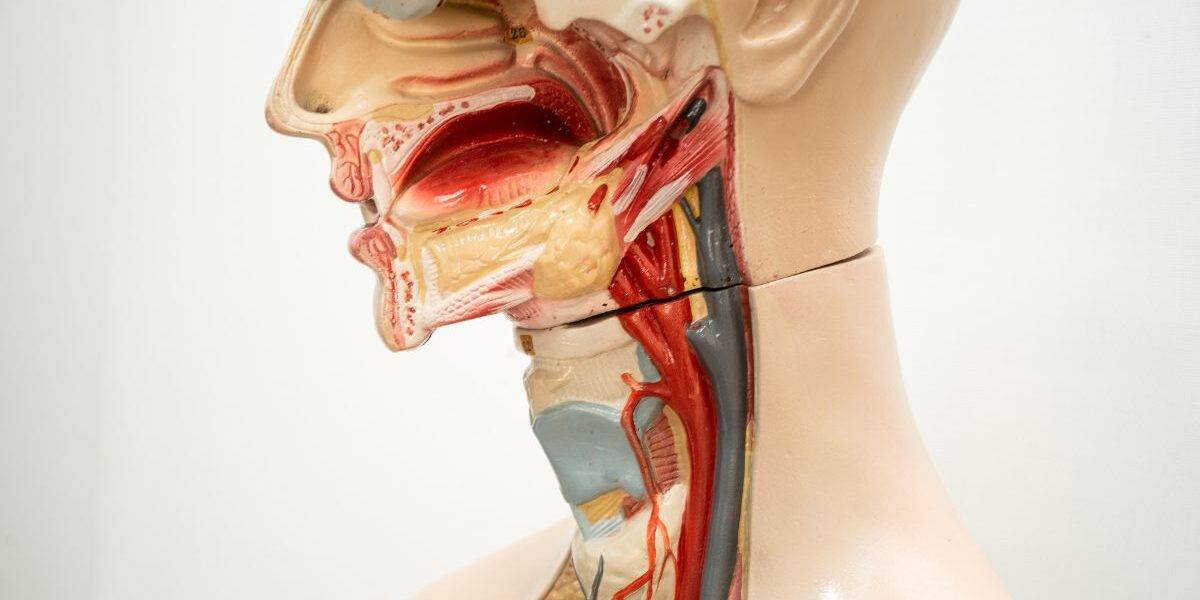
An otolaryngologist, also known as an ENT doctor, is a physician who specializes in diagnosing and treating conditions affecting the ears, nose, throat, head, and neck. From persistent sinus problems and hearing concerns to swallowing difficulties and sleep-related breathing issues, otolaryngologist specialists treat a wide range of conditions that can affect your everyday health and quality of life.
What Does an Otolaryngologist Treat?
Otolaryngologists care for both children and adults and can treat many conditions involving the ear, nose, throat, and related structures.
Ear Conditions
Common conditions include:
- Ear infections
- Hearing loss
- Ringing in the ears (tinnitus)
- Dizziness and balance disorders
- Earwax buildup
- Eardrum problems
An otolaryngologist may also work with audiologists to evaluate hearing and determine whether hearing aids or other treatments may be appropriate.
Nose and Sinus Conditions
Common conditions include:
- Chronic sinusitis
- Allergic and nonallergic rhinitis
- Nasal congestion
- Deviated septum
- Nasal polyps
- Reduced sense of smell
- Recurring sinus infections
Treatment may range from medications and allergy management to procedures or surgery when appropriate.
Throat and Voice Conditions
Otolaryngologists also treat conditions involving the throat, voice, and swallowing. These may include:
- Chronic sore throat
- Tonsil and adenoid problems
- Hoarseness or voice changes
- Difficulty swallowing
- Acid reflux affecting the throat
- Sleep apnea and snoring
Persistent hoarseness, difficulty swallowing, or other ongoing throat symptoms should be evaluated rather than simply ignored.
When Should You See an Otolaryngologists?
You don’t necessarily need to see an otolaryngologists or ENT specialist for every earache, stuffy nose, or sore throat. Your primary care physician can often treat many common problems.
However, an evaluation by an otolaryngologists may be appropriate when symptoms are persistent, recurrent, severe, or affecting your quality of life.
Consider talking with an otolaryngologist if you experience:
- Frequent sinus infections
- Chronic nasal congestion or difficulty breathing through your nose
- Persistent ear problems or hearing changes
- Recurring dizziness or balance issues
- Ongoing hoarseness
- Difficulty swallowing
- Persistent snoring or suspected sleep apnea
- Symptoms that haven’t improved with standard treatment
What Can You Expect at an ENT Appointment?
Your first visit typically begins with a discussion of your symptoms, medical history, medications, and previous treatments. Your otolaryngologists will then perform an examination focused on the affected area.
Depending on your symptoms, additional testing may be recommended. This could include hearing testing, allergy testing, imaging, or other specialized evaluations.
The goal is to identify the underlying cause of your symptoms and develop a treatment plan that fits your individual needs.
Your Ears, Nose, and Throat Are Connected
Problems involving the ears, nose, and throat can sometimes overlap. For example, nasal congestion can contribute to ear pressure, allergies can affect both the nose and throat, and certain sleep-related breathing problems can involve the nasal passages and throat.
An otolaryngologist is trained to look at these interconnected systems and determine how they may be contributing to your symptoms.
When Symptoms Won’t Go Away, Get Answers
You don’t have to live with chronic congestion, recurring sinus infections, hearing problems, or persistent throat symptoms simply because you’ve gotten used to them.
An otolaryngologist can evaluate the underlying cause, explain your treatment options, and help you determine the next step toward feeling and functioning better.
If an ear, nose, or throat problem is affecting your daily life, talk with your primary care physician or contact Biltmore ENT to find out whether specialized care may be right for you.